



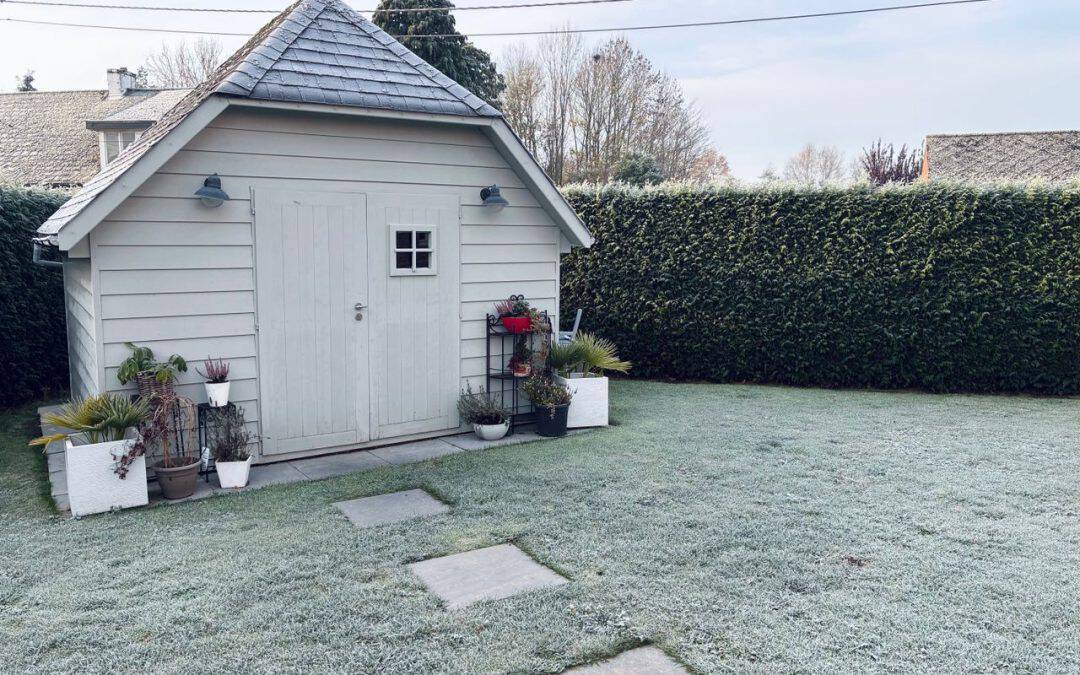
Grass has different needs in winter. A change of season calls for simple adjustments to your lawn care routine.
Sticking to summer habits means you could be killing your lawn with kindness. As lawn fans, at Coastline Mowers we know adopting a winter care plan will help protect the health of your lawn and soil during colder months.
Watch out for weeds
While lawns can still flourish throughout winter, unfortunately so can weeds. Take time to monitor your lawn for unwelcome newcomers.
Once you identify a weed, remove by hand from the roots. Wear gardening gloves to avoid irritation. The goal is to pull weeds from the soil before they leave a swathe of seeds behind.
If you decide weed killer application is needed, check your lawn type is suited to cold season application, minimising the chance of damaging grass.
Uncertain of the weed’s name? Take a photo and seek help identifying it. There could be herbicides created specifically for the weed you’re facing.
Avoid overwatering
The good news is you won’t need to water much as rainfall increases—if at all. In most cases, you should be fine switching off irrigation for the season.
When it hasn’t rained for a while, equipment is available to help check soil moisture. Alternately, use a thin length of metal to test dampness. Screwdrivers and other tools that can be jammed into soil are popular and easy options.
If grass and soil are dry, water by hand and water deeply no more than once a week. During summer, evening watering is standard. But in winter, leaving roots soak overnight in cold soil encourages rot. Choose mornings instead.
Give grass space
Your lawn needs sunlight and airflow to absorb the nutrients it needs to thrive.
A scattering of leaves on your lawn won’t hurt and may prove beneficial. But a build-up of dead leaves can block sunlight, offer pests a place to breed, and increase the risk of mould, so be sure to rake regularly.
Try to walk less on lawns during the cold season, especially after stormy days. Heavy foot traffic in winter risks a fair bit of damage, especially if grass is often drenched.
Pressure on muddy lawns can contribute to compaction. If soil is compacted, the roots of your lawn will suffer. Adding soil aeration to your winter lawn care routine is a good idea.
Update mowing habits
Grass growth is generally slower in wet and cold months. Mowing once or at most twice a month should be enough until spring.
The general rule of thumb is to maintain slightly taller grass in winter, letting longer blades soak up the benefits of sunlight. Your mower height will need adjusting.
Avoid mowing after rain, or if blades of grass appear frosty or iced over. Wet grass is more vulnerable to damage, and can cause problems for your mower.
Instead of leaving clippings behind as you would in summer, make the effort to clear grass clippings away in winter. During cold weather, clippings can sit longer, interfering with sunlight reaching your lawn.
Keep mower blades sharp as grass is less able to repair itself in winter. Colder months are a good season for mower maintenance. Winter is a great time to bring in riding mowers for a service.
Address grass health
Slow release fertilisers suit the season. A number of fertilisers on the market are made specifically for late winter application. Liquid fertilisers are popular in winter.
Take care not to use too much nitrogen-rich fertiliser in cold weather, as this can have a detrimental effect on lawn health across winter months.
If opting for organic fertilisers, consider introducing a wider range of sustainable lawn care options to your winter routine.
If you decide to overseed any bare patches, make sure the seed used is compatible with your lawn type. Remember to rake and aerate before sprinkling seeds.
Too much water and failure to aerate your lawn can increase risk of lawn disease. Keep your lawn surface clear of debris and never hand water a muddy lawn.
Apply light layers of compost and mulch during the colder months to help protect your lawn and increase soil nutrient levels.
Take soil into consideration
Healthy soil will help your lawn get through what is primarily a dormant season for many popular grass types. Soil is an important factor in making sure lawns stay strong against pests and potential disease.
If soil pH is too high or too low, your lawn will suffer. Pick up a soil test to confirm soil acidity is within recommended levels. If necessary, take steps to correct the situation.
A barrage of heavy rain can wash away nutrients. If your lawn experienced flooding or is in an area of the yard with drainage issues, you may need to help the soil regain its health once the issue is resolved.
Monitor winter weather
Wild weather can wreak havoc on people’s yards. After a storm, check your lawn for debris like branches and foliage, and clear away as soon as possible.
Even without rainfall, gale winds can fling random items on your lawn. Do a quick check when the wind drops—you might be surprised what shows up!
If hail hits your yard, rake when the storm stops to avoid icy-cold water saturating roots as the hail melts. Give your lawn a bit of time to recover before mowing.
Yard maintenance
Keep up general maintenance for elements in your yard that could impact your lawn. Overflowing drains and gutters can see areas of lawn doused in even more water during a downpour.
If you have pets, consider a quick rinse of the portion of the lawn they favour for toilet breaks when rain is sparse. Nitrogen in their urine can be harder on lawns during winter months.
Tool upgrades
Winter is a good time to take stock of your lawn care collection. Coastline Mowers provides power equipment and lawn mowers to Perth, Rockingham, and beyond. If you have questions, contact our team today.